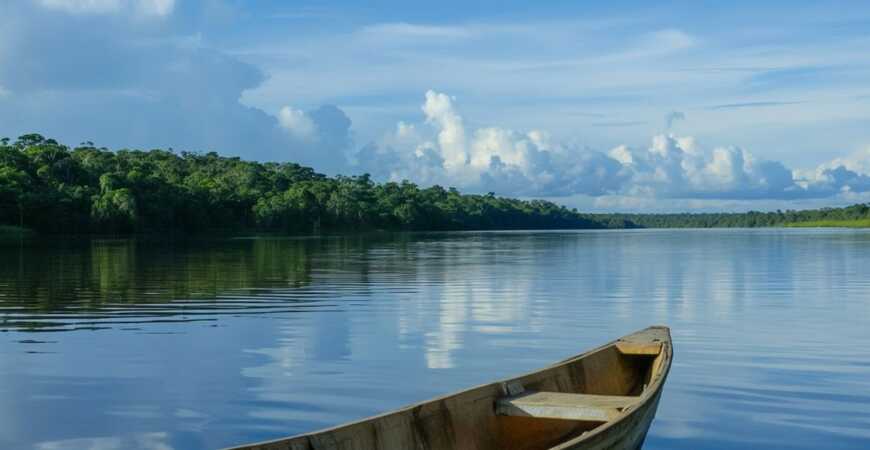
Amazon of Europe is a joint 5-country destination that overlaps with the world´s first 5-country biosphere reserve: UNESCO 5-country Biosphere Reserve Mura-Drava-Danube (TBR MDD).
This area forms the largest natural river system in Central Europe. Amazing riverine landscapes and riparian forests along Mura, Drava, and Danube rivers represent the longest still freeflowing sections of the 3 rivers in Central Europe with inspiring forest and water landscapes, called the Amazon of Europe. Preserved nature is combined with beautiful towns, villages, and attractions rich in cultural heritage and traditions.
We aim to promote responsible, green (sustainable), and healthy tourism that inspires, informs, and educates visitors about mindful and healthy ways of interacting with local natural and cultural heritage.
In the Amazon of Europe, we are inspiring and inviting explorers to slow down along the mighty rivers, reconnect with nature and recharge their batteries through amazing local stories. We will achieve the vision by acting as one destination, which will enable us to implement green economic and socially sustainable projects, give back to nature (ensure nature conservation) and raise awareness internally and externally about the unique undiscovered riverine destination in the first UNESCO 5-country Biosphere Reserve in the world, where health and nature are always the priority.
This area also includes Serbia, specifically the north-western part of Vojvodina. Vojvodina is the only region in Europe where six languages have official status. The multicultural character of this area is also reflected within the European Amazon, giving it a special charm. Here you can speak with people in Serbian, Croatian, Hungarian, Romani, Slovak, Ruthenian, and German. If you have a keen ear, you will notice that Serbian does not sound the same everywhere. This is because several villages were settled by Serbs from the Krajina region (after World War I and II), from the Adriatic hinterland, as well as by those who came from Kosovo and Metohija more than 300 years ago, during the Great Migration of the Serbs. You will have the chance not only to hear different languages and stories of the people living in this region, but also to enjoy diverse music and folklore. Still, the strongest impression will undoubtedly come from the food.
For true hedonists and those who want to combine nature and culture, we organize multikulti hedonic tours, as well as Wine and Multikulti Gastro Food experiences.
For birdwatching lovers, we will gladly take you on a birdwatching tour where you can enjoy the flight of the European white-tailed eagle.
For lovers of outdoor activities or team-building programs (for closed groups), we offer a bike challenge, a culinary challenge, a birdwatching challenge, and more.
However, our best-selling program is Slow Travel:
Arrival in Sombor in the afternoon. After checking into the hotel, we tour the city with visits to the museum, an art gallery of the famous Sombor painter, and the City Hall chamber where the enormous painting The Battle of Senta is displayed. We get to know Sombor’s nightlife by visiting one of the local taverns, followed by one of Sombor’s iconic cafés, where people often “get stuck” until the early morning hours.
In the morning, we head to Bački Monoštor, where we visit a beekeeping workshop and, depending on preference, either take a walk through century-old forests or visit some of the old craftsmen, listen to the choir in the village church with Catholic chant, or enjoy Gypsy music while discovering why the local Roma do not speak Romani but Romanian! One option is returning to Sombor by boat, having lunch at the Andrić čarda (riverside tavern), then taking a break at the hotel before heading out to dinner at one of the famous Sombor salaš farmsteads.
On the following morning, we depart for Bezdan, visit an interesting ethnographic house, the oldest damask weaving mill in Europe, and have lunch at one of the renowned čardas of Bezdan. After that, we continue to Apatin, explore the heritage of the Danube Swabians (with a visit to the local church or ethno house), stop by the interesting monument dedicated to Serbian scientist Nikola Tesla, and return.
This program can be modified according to the wishes of our clients.
For more information, visit link.